For more than two decades, SIJ Acroni has been partnering with a German company, providing innovative and high-quality steel solutions tailored to the specific needs of their catalyst programs for gasoline and diesel engines. Building on this foundation, they approached us with a new challenge: developing specialized steel for interconnectors in Solid Oxide Fuel Cells (SOFCs).
Challenge: Meeting the demanding requirements for SOFC interconnectors
The primary challenge was to develop a steel that met the stringent requirements for SOFC interconnectors. The customer specified the desired chemical composition, mechanical characteristics, and final material properties.
The steel needed to withstand high operational temperatures of up to 950–1000 °C, resist long-term oxidation, and endure extensive thermal cycling without degradation.
Approach: Comprehensive risk assessment and material development strategy
Based on our extensive experience and knowledge of steel manufacturing and processing, we carefully evaluated the feasibility of producing such a material. The first phase involved a detailed risk assessment, focusing on melt production, remelting processes, alloy design, and both hot and cold processing capabilities. Following the positive evaluation, we produced laboratory-scale test batches at the IMT. These test melts allowed us to verify the chemical composition, mechanical properties, and processing behavior of the steel under controlled conditions. Throughout this development phase, close coordination with the customer was crucial. Together, we addressed every major aspect of production, from the technical viability of the melt using our technological processes to the details of slab manipulation and final casting. Positive results from the laboratory tests led to the industrial production of steel.
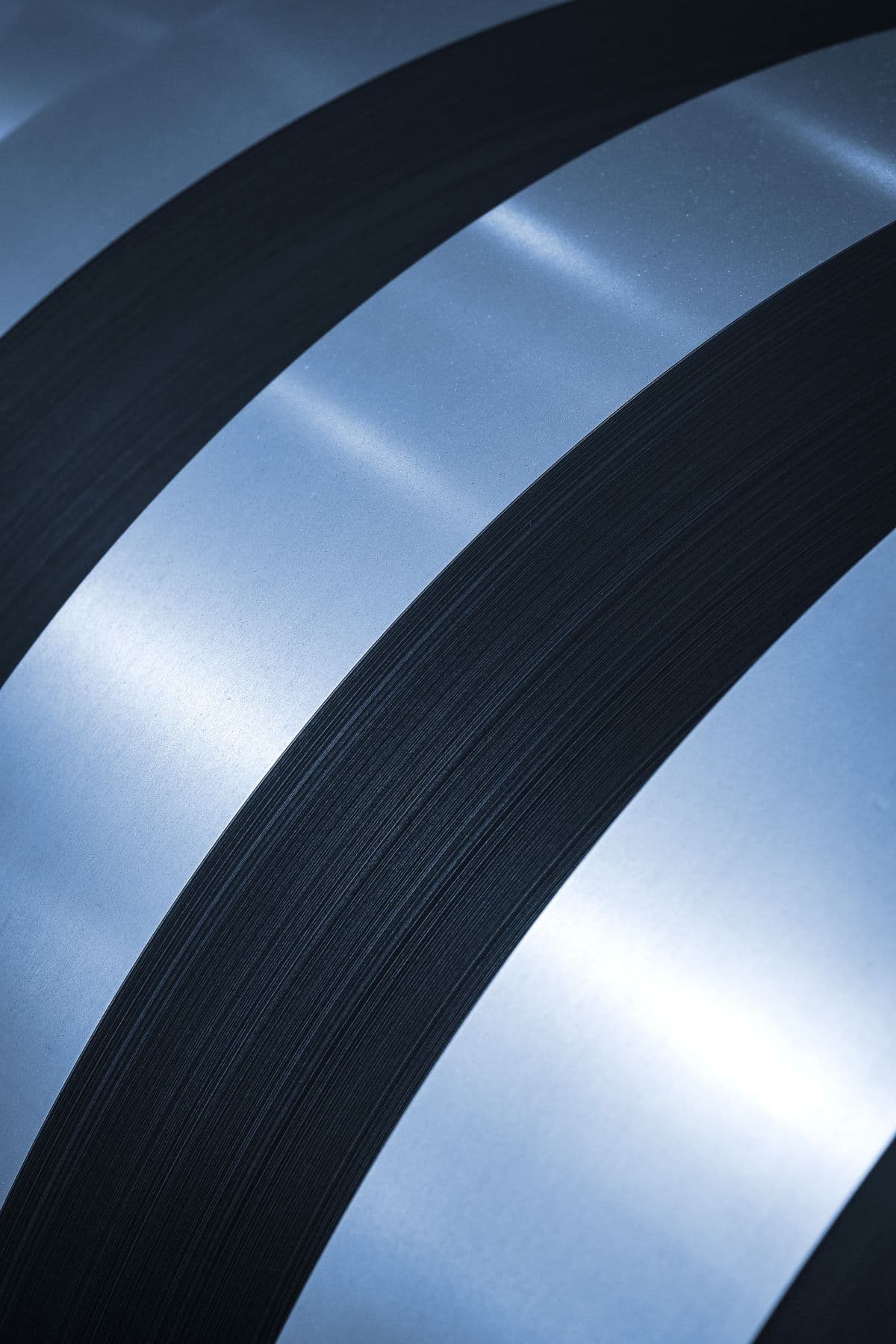
We produced and supplied steel sheets with a thickness of 1.1 mm, designed specifically for customer’s further rolling and manufacturing processes. The developed steel demonstrated resistance to high temperatures over long-term exposure and oxidation resistance, even under repeated thermal cycling.
Compared to ceramics, the steel offered clear advantages: it is fully recyclable, can withstand greater temperature fluctuations, enables more compact and lightweight designs, and is significantly easier to form and process into the required shapes.
Result: Exceeding specifications
The finished material underwent extensive testing by the client. The results confirmed that the steel met all customer's specifications, with key performance parameters at least matching, and in most cases exceeding, those of competitors. This outcome not only validated the technical success of the project but also positioned steel as a superior alternative to ceramics in SOFC interconnectors, delivering improvements in sustainability, manufacturing efficiency, and product performance.
This project demonstrates SIJ Acroni’s ability to drive innovation through close partnership, technical expertise, and a deep understanding of material science. By developing a high-performance steel solution for SOFC applications, we have once again proven to be a reliable and forward-thinking partner, supporting customer’s shift towards cleaner and more efficient energy technologies. The success of this project reflects our ongoing commitment to helping customers meet the challenges of the future with advanced, sustainable steel solutions.